

Introduction
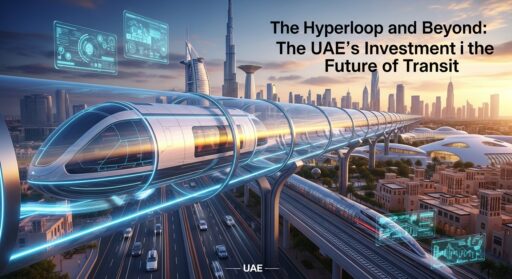
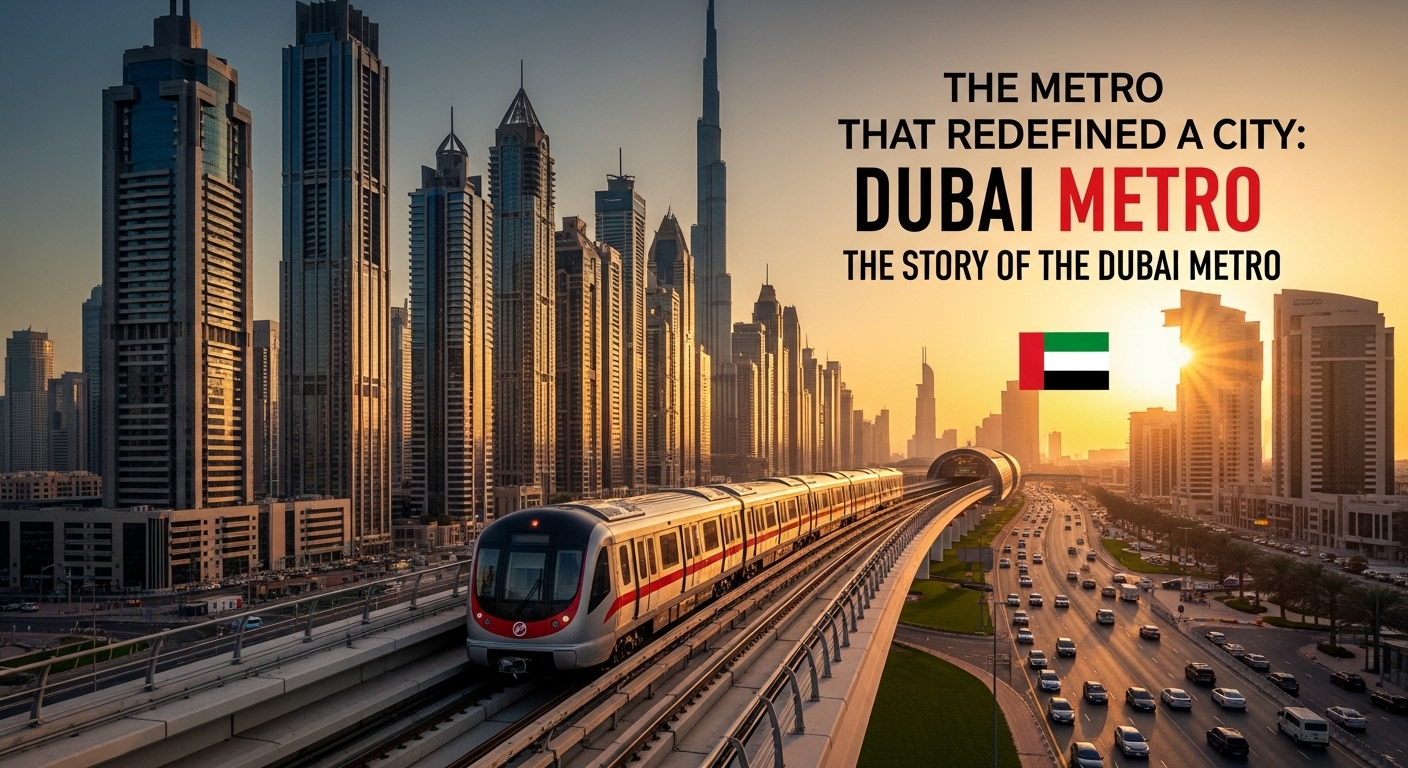
On September 9, 2009, Dubai inaugurated a transportation system that would fundamentally alter its urban landscape and self-perception: the Dubai Metro. As the first urban rail network in the Arabian Peninsula, it was a bold statement of ambition and a pragmatic response to the city’s explosive growth and escalating traffic congestion. More than just a public transit system, the Metro redefined Dubai, shifting its model from a car-centric sprawl toward a more sustainable, connected, and modern metropolis. Its driverless trains gliding past skyscrapers became an instant icon of 21st-century urbanism.
History
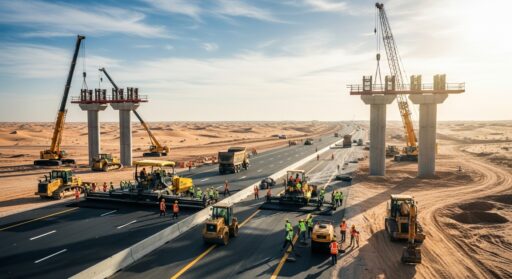
The planning for the Dubai Metro began in the early 2000s as city planners confronted the limitations of a road-based transportation system. The project was launched by Sheikh Mohammed bin Rashid Al Maktoum with the goal of creating a world-class rail network. A consortium led by the Japanese company Mitsubishi Heavy Industries won the contract, and construction began in 2006. Despite the global financial crisis of 2008, the project was seen as too critical to delay and was completed on schedule. The Red Line opened in 2009, followed by the Green Line in 2011. The scale and speed of its delivery were typical of Dubai’s “can-do” attitude.
Key Features
The Dubai Metro is distinguished by its innovative design and operational model:
- Fully Automated and Driverless: The Metro was one of the longest fully automated driverless train systems in the world upon its launch, representing a leapfrog in technology that emphasized efficiency and modernity.
- Elevated and Air-Conditioned: A significant portion of the track is elevated, offering passengers panoramic views of the city. Perhaps most critically for the Gulf climate, all stations are fully enclosed and air-conditioned, from the platform to the train itself.
- Themed Stations and Class System: Stations are designed with unique themes like “Earth,” “Fire,” and “Water.” The trains feature three classes: Gold Class (premium), Women and Children Only carriages, and Standard Class, reflecting social norms and providing choice.
- Integration with Other Transport: The Metro was designed as the backbone of an integrated public transport network, with seamless connections to the Dubai Tram, public buses, and water taxis.
Cultural Significance
The Metro had a profound social and cultural impact. It made the city accessible to its large low-income migrant workforce, for whom car ownership was not an option, fundamentally democratizing mobility. The “Women and Children” carriages provided a comfortable and culturally sensitive travel option. For residents and tourists alike, it offered a new, relaxed way to experience the city, free from the stress of traffic. The Metro became a symbol of Dubai’s modernity and its commitment to solving its self-created problems of hyper-growth. It instilled a sense of civic pride and showed that the city could execute projects on a par with other world capitals.
Modern Relevance
The Dubai Metro is a critical piece of urban infrastructure, carrying hundreds of millions of passengers annually. It has been central to the development of new urban hubs around its stations, such as Dubai Marina and Business Bay, promoting higher-density, transit-oriented development. Its success has paved the way for further rail expansion, including the Route 2020 extension to Expo City Dubai and the planned Blue and Purple Lines. As Dubai continues to grow and pursue its sustainability goals, the Metro is the cornerstone of its strategy to reduce car dependency, lower carbon emissions, and manage urban congestion. It stands as a lasting legacy of strategic planning and a key enabler of the city’s future growth.
Conclusion
The Dubai Metro was a gamble that paid off spectacularly. It transformed the city’s relationship with space and movement, proving that even in a land synonymous with the automobile, public rail transit could not only succeed but become an iconic and beloved institution. It redefined what was possible in a Gulf city and set a new standard for urban transportation in the region. The silent, efficient glide of its trains is the sound of a city thinking ahead, a rolling testament to Dubai’s unwavering belief that the future is not something to be awaited, but something to be built.