

Introduction
The skeletal framework of the modern United Arab Emirates is its interstate highway system—a vast, intricate network of multi-lane roads that stitch together seven emirates into a cohesive economic and social unit. The construction of this system in the decades following the 1971 union was one of the most monumental and transformative infrastructure projects in the nation’s history. It was a concrete declaration of federal unity, a practical necessity for development, and the physical backbone that would enable the explosive growth of cities, trade, and tourism. Paving the nation was the essential first step in building a modern state.
History
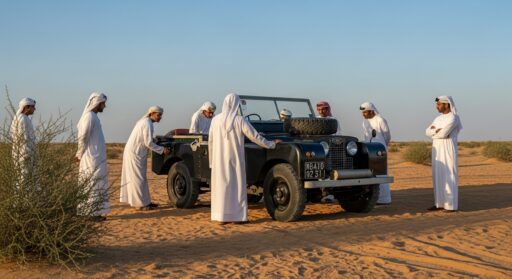
Before the union, travel between the emirates was an arduous undertaking along unpaved desert tracks, often impassable after rain. The first paved road, linking Dubai to Ras Al Khaimah via Sharjah and Umm Al Quwain, was completed in the 1970s and was a revelation. Under the direction of the federal government, the Ministry of Public Works embarked on an aggressive road-building campaign throughout the 1980s and 1990s. The flagship project was the Sheikh Zayed Road (E11), which runs the entire length of the UAE’s coast, from the Saudi border to the Oman border, becoming the country’s main artery. Parallel highways like the Emirates Road (E611) were later added to alleviate congestion and serve growing inland communities.
Key Features
The development of the highway system was characterized by its ambition and scale:
- Connecting the Emirates: The primary goal was to create a reliable, all-weather connection between the seven emirates, facilitating the movement of people, goods, and federal services. This was crucial for fostering a sense of national identity and economic integration.
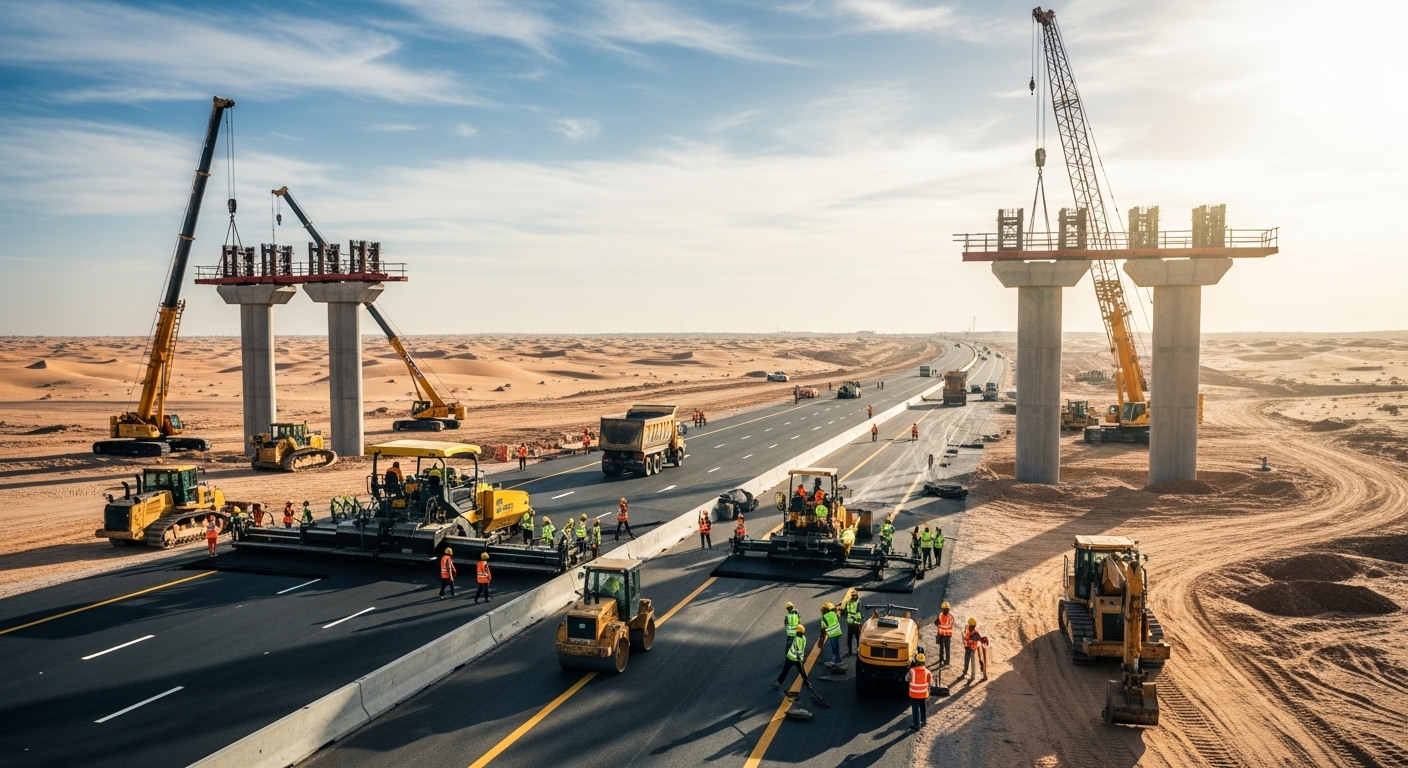
- Engineering in a Harsh Environment: Building roads in the desert presented unique challenges, including shifting sand dunes, extreme heat that could melt asphalt, and a lack of local construction materials. Engineers had to develop specialized techniques for dune stabilization and soil compaction.
- Interchanges and Bridges: The system is defined by its massive, complex interchanges, such as the iconic “Spaghetti Junction” in Dubai, which allow for high-speed, high-volume traffic flow. Countless flyovers and underpasses eliminated the need for traffic lights on major routes.
- Integration with Urban Development: Highways were not built in isolation; they were planned as the spines for new urban and industrial expansion. Cities like Dubai and Sharjah grew along the corridors defined by these new roads.
Cultural Significance
The highway system had a profound psychological impact. It shrank the country, transforming a journey that once took days into a trip of a few hours. This newfound mobility broke down the historical isolation of communities and fostered a stronger national consciousness. For the first time, it became easy for a citizen of Fujairah to work in Dubai or for a family from Abu Dhabi to vacation in Ras Al Khaimah. The highways became symbols of progress and federal achievement, tangible proof of the government’s ability to deliver large-scale projects that improved the lives of its citizens.
Modern Relevance
The UAE’s highway network is the circulatory system of its economy. It is indispensable for the logistics and shipping industry, connecting the massive ports of Jebel Ali and Khalifa to the rest of the country and beyond. It supports the daily commute of millions of residents and facilitates the tourism industry by providing easy access to attractions across all seven emirates. As the population continues to grow, the system is constantly being expanded and upgraded with smart traffic management systems, additional lanes, and new links, such as the Sheikh Mohammed bin Zayed Road extension. The ongoing investment in this network underscores its critical role in sustaining the UAE’s economic momentum and quality of life.
Conclusion
The paved highways of the UAE are more than just strips of asphalt; they are the physical manifestation of the union. They represent the triumph of collective will over geographic distance and a challenging environment. The vision to connect the emirates with a world-class road network was as crucial to nation-building as any political treaty. Today, the constant flow of traffic on E11 is a testament to a connected, dynamic, and unified nation, a rolling monument to the foresight of the leaders who understood that to build a modern state, you must first pave the way.